Technology / Uncommon Knowledge
The PS5 Has Been Cracked. Sony’s Real Moat Is the Network.
Relapse opens a much wider range of PS5 firmware to homebrew and arbitrary code. That matters — but the bigger question is whether a modified console can keep the parts of PlayStation that now make the ecosystem valuable.
By Streets Wired
#PlayStation 5 #PS5 #Relapse #jailbreak #console security #PlayStation Network #Sony
Reading style
Same story. Different shape.
The PS5 has been jailbroken across a much wider stretch of its life.
That part is real.
The public Relapse exploit chain lists firmware 7.00 through 13.60 as supported. It uses a browser/WebKit entry point and escalates into kernel read/write, opening the door to homebrew, emulation, modification and arbitrary executable payloads on vulnerable systems. The upstream developers also warn that the exploit can stall, hang or panic the console, which is a useful reminder that “public exploit” and “consumer appliance” are not the same thing.
But the viral framing — Sony’s worst nightmare — skips the more interesting question.
How much of modern PlayStation is actually inside the box?
Crack the box. Then what?
A console jailbreak used to attack a much simpler business model.
Buy hardware.
Buy a disc.
Play the game.
If somebody defeated the console’s security and could run unauthorized copies, the economic threat was obvious.
The PlayStation business in 2026 is much more connected than that.
Sony says the PlayStation platform had 125 million monthly active accounts in 2026 and describes content and services as core drivers of the business. In its Game & Network Services discussion, Sony has explicitly talked about an engagement-driven, recurring-revenue model and the evolution toward a true digital platform business.
That means the economic object Sony is protecting is not just a plastic box under the television.
It is the relationship between:
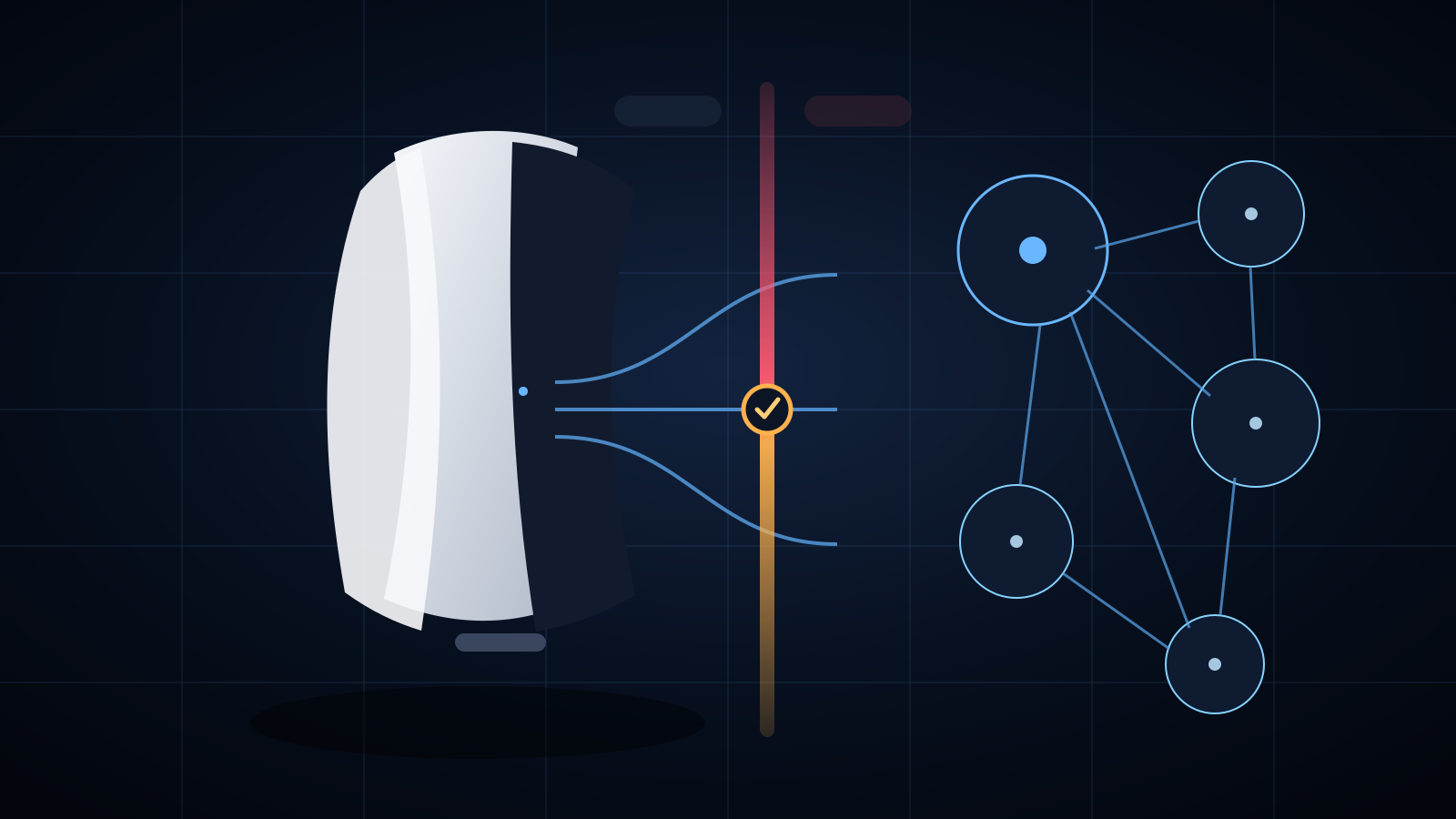
hardware → account → authentication → Store → games → updates → subscriptions → multiplayer → add-ons → live services → cloud features → community
Relapse attacks the hardware side of that chain.
It does not automatically defeat the rest of it.
The network is Sony’s checkpoint
This is where the story gets more interesting.
A jailbroken console can still be extremely valuable offline. Homebrew developers do not need Sony’s permission to find that interesting. Preservation researchers, emulator developers, tinkerers and people who simply want control over hardware they purchased all have legitimate reasons to care about console security research.
Piracy is also an obvious risk when a platform can run unauthorized code.
But mainstream players increasingly care about things that live on the other side of authentication.
Multiplayer.
The Store.
Cloud saves.
Subscriptions.
Live-service progression.
Updates.
New releases.
Friends.
Accounts carrying years of purchases.
Sony’s own support documentation says account suspensions can remove access to PlayStation features, and console suspension can prevent every account on that console from using online services and Store content. Its terms also reserve broad enforcement options when Sony believes the platform or its users need protection.
That gives Sony an important weapon.
Sony does not necessarily have to make a vulnerable PS5 stop being hackable.
It has to make a hacked PS5 less useful as a PlayStation.
Those are different problems.
Firmware 14.00 is the line right now
Relapse’s upstream project currently lists support through 13.60.
Firmware 14.00 is outside that public support range.
That does not mean 14.00 is mathematically unhackable. Security does not work like that.
It means the publicly demonstrated Relapse path stops before it.
For an ordinary gamer, that creates friction: staying on vulnerable firmware can mean deliberately separating yourself from the update path that new games, services and online functionality increasingly expect.
That friction is part of Sony’s defense.
Not glamorous.
Very effective.
So does Sony need a new PS5?
Probably not because of this exploit alone.
A future hardware revision can absolutely harden security. Console makers have done that for decades.
But software gives Sony several other layers:
updates, service requirements, game-version requirements, server-side checks, telemetry, publisher anti-cheat systems, account enforcement and console enforcement.
Sony already has tens of millions of PS5 systems in the world. Throwing away an installed base because an exploit exists would be absurd.
The smarter response is to move the valuable parts of the ecosystem forward faster than the exploit can follow.
That is exactly why the network matters.
The moment this becomes much more serious
There are a few developments that would change our view quickly.
If exploit developers reach current firmware, the update-versus-jailbreak tradeoff weakens.
If they make the jailbreak persistent and extremely reliable, the potential audience gets much larger.
If modified consoles can maintain normal PSN access while remaining undetected, Sony loses an important checkpoint.
And if that turns into meaningful online cheating, the issue stops being an enthusiast/homebrew story and becomes a platform-trust problem for every normal player in the lobby.
Those are not all true today.
They are the moves we should watch.
And this is where Probe changes
On Streets Wired, What to Watch is not going to be a dead checklist anymore.
For this story, open the Relapse Probe and hit Watch.
You will see the actual chessboard:
If Sony forces an update → can exploit users keep the jailbreak and PSN?
If Sony starts console bans → can the community hide the modified state?
If Sony patches this chain → can researchers find another route?
If hackers reach current firmware → does the mainstream risk change?
If modified systems reach competitive multiplayer → can Sony and publishers detect them?
Each question carries a current status, what the evidence says now, what would change the answer, a last-checked date and receipts.
That is the point of the network.
The article tells you what happened.
The Probe keeps asking what happens if the other side moves next.
Sources: Relapse upstream · Ars Technica · Sony G&NS 2026 · PlayStation suspensions · PlayStation Terms
01
The quick read
Relapse is a newly public PS5 exploit chain whose upstream project lists firmware 7.00 through 13.60 as supported. That is a much wider window than the old image of a jailbreak as something useful only on an ancient console. Firmware 14.00 sits outside the public Relapse support range today.
02
The headline is bigger than the business damage
Kernel-level access is a real security event. It can make homebrew, emulation, modification and unauthorized software more practical on vulnerable machines. But cracking a console is not the same thing as cracking Sony’s account, store, subscription, multiplayer and live-service economy.
03
The network is the checkpoint
PlayStation can require current system software for services and can suspend accounts or consoles from online services. The important unanswered question is whether modified systems can reliably remain authenticated, current and undetected while keeping normal PSN access.
04
Games are becoming recurring digital relationships
Sony describes content and services as core drivers of the PlayStation business and has discussed an engagement-driven recurring-revenue model and a shift toward a true digital platform business. That makes the account and network increasingly important economic control points.
05
New hardware is not the first answer
Sony can patch software, require newer firmware for services and content, detect abuse, suspend consoles and harden future hardware revisions. Replacing the installed base is not necessary to reduce the value of a jailbreak for mainstream online players.
06
What would make this genuinely dangerous
The risk jumps if a public exploit reaches current firmware, becomes persistent and easy for ordinary users, preserves reliable PSN access, or enables meaningful online cheating without effective detection. Those are the hinges Streets Wired is tracking.
Streets Wired community
Join the conversation
What did this get right, miss, or make you think about?
Sign in to join the conversation.
Anyone can read comments. Posting, replying, and liking require a Streets Wired account.
Sign in / create profile →Member
Streets Wired member
Read freely. Sign in to post.
The conversation
0 responses
Loading the room…
Probe deeper
Price history
—Choose a range to inspect price history.
Probe this